FAQ
How much will it cost to install new flooring for my home?
Most solid overlay flooring choices cost between $55m² and $100m² and installation, sanding and finishing is approximately $100/m². A moisture barrier is essential for newer houses under 5 years and is always recommended for all timber flooring. The cost of this is included Beading is also included in the price . These prices are approximates. Once you have an idea of which flooring choice you prefer, we can use your floor plans to calculate an accurate quote for the desired areas.
What are the different types of Flooring? How are they different?
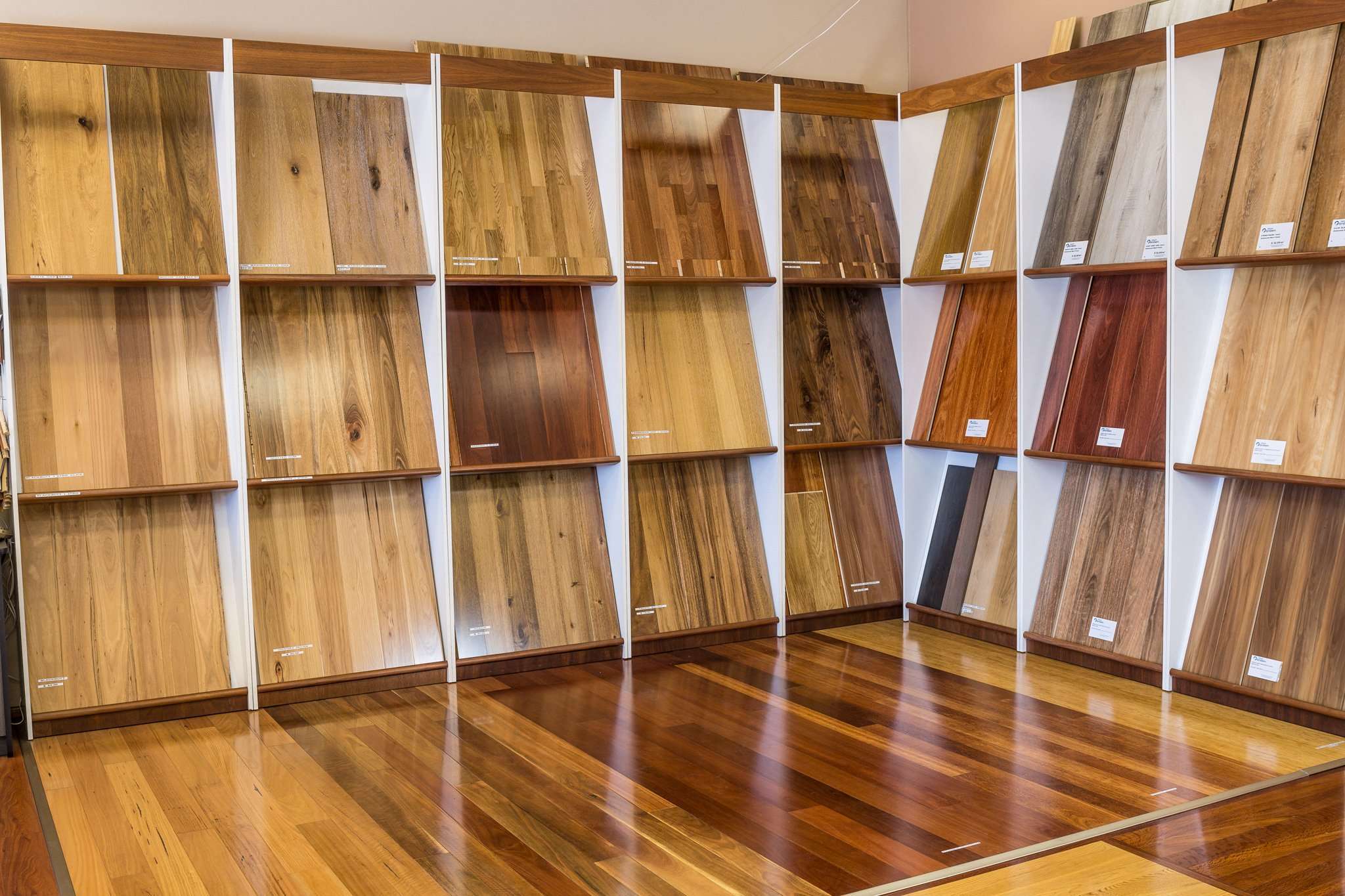
We stock 8 different types of flooring, each in a huge range of materials and colours:
- Solid Wood Planking: This is not suitable for rooms with excessive moisture (ie. Bathrooms) as it is susceptible to moisture and changes in temperature. It can be installed by gluing direct to concrete or on plyboard.
- Bamboo: An ecologically friendly option, bamboo is durable, resistant to insects and moisture. It can be glued directly to a sub floor. Some bamboo can be floated also.
- 19mm: These floorboards come in a variety of species and grades for your flooring needs. Various installation options including installing over joists and battens.
- Reeded Outdoor Decking: This is a durable, attractive flooring choice for outdoor applications.
- Prefinished: Prefinished engineered (veneers) are less susceptible to moisture and temperature change. They are dimensionally stable and can be glued directly to concrete or floated.
- Laminates: Laminate flooring is made of synthetic materials with a wood like appearance. It resists staining, wear, and fading and is durable and water resistant. Our newest range of laminates are 12mm thick HDF Commercial Grade and come with a 25 year warranty. There is a huge range of colours to choose from.Decking: We stock reeded decking in various timber species. Jarrah, Merbau and Batu are the most popular. Our installation method is by screw fixing (not nailing) which is far superior than any other fixing application. A secret screw fix option is also available if required.
What are the different types of installation?
There are two common forms of installation, although there are always other options, depending which suit your home and flooring type best. Most flooring is installed by directly fixing the strip planking onto the concrete using polyurethane glues. Floating floors are now growing in popularity for laminate and veneer flooring. This form of installation is ideal for sound proofing or for use in home theatres and rooms with sound systems.
Can I install my flooring myself?
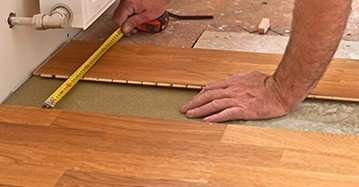
Yes. We can provide all the materials and information required. Visit our DIY page for some tips on home installation. It is always recommended to have a professional sander to finish your floor.
Do you offer installation services?
A1 Wood floors offer supply and full installation on any timber flooring request. We also offer supply only to customers contracting their own installers. We do recommend that you do your research as there are a lot of inexperienced cowboy operators in our industry also. For a professional finish it is wise to leave it to the experts, keeping in mind that the initial cost of the product isn’t cheap.
How do I look after my Timber Floor?
Dirt and grit is a floor’s worst enemy and that goes for carpets and vinyls too. So use dirt trapping mats at all exterior doors to help prevent sand, dust and grit entering inside. Small rugs or small carpet sections just inside the door can also be of assistance.
- Strong light, particularly direct sunlight, can cause a chemical reaction in wood causing it to change colour (ageing or weathering), so move your rugs occasionally and protect the floor from direct sunlight by curtains or blinds.
- In areas where extremes of temperature or moisture variation are common, the floor may expand and/or contract accordingly. Precautions are necessary to avoid these circumstances.
- Adding moisture to the air with a humidifier may be the answer.
- Air conditioners are rarely humidity corrected and particularly in winter can create an extremely dry atmosphere which can cause shrinkage and cracking of the floor. Call your flooring contractor if the problems persist.
- Fit protective pads to the legs of chairs and tables so that they can be moved easily without the risk of scuffing the floor. If you have furniture with castors it is preferable that they are the barrel type as ball castors may cause damage.
- To remove surface dirt and grit the floor must be regularly vacuumed or swept with an electrostatic mop.
- Use only quality floor mops and thoroughly wash new mops to remove any lint remaining from the manufacturing process. To remove ground in dirt and grit it is necessary to damp mop the floor.A positive emulsion cleaner made specifically for timber floors should be used as it will remove the dirt without damaging the surface seal. It is important to ensure that the mop is wrung out to ensure that as little solution as possible wets the floor. A1 Wood Floors uses sophisticated processing technology for all kiln dried timber and rigorous floor placement procedures to control the moisture content. Over wetting your floor when mopping can change the moisture balance and cause your floor to expand.In some cases this may result in cupping. Under no circumstances use household detergents as these may contain harsh chemicals that will damage the finish.
- High heel shoes, especially worn ones, will dent any hard floor surface, even concrete. It is interesting to note that figures supplied by the National Wood Flooring Association of America indicate that an exposed heel spike can exert up to 13,790kPa (2000 ppsi) pressure on the floor when worn by a woman weighing 55kg. (When weight distribution is considered this is more than a two tonne truck or an elephant).
- Keep dirt off the floor. Dust, mop or vacuum regularly. Keep the door mats clean.
- Wipe up spills promptly with a dry cloth or dry paper towel. For sticky substances, moisten the cloth slightly.